
Why TCO Comparisons Fail: Units, Tiers, and Hidden Add‑Ons
Learn why “apples-to-apples” vendor pricing breaks down and how to normalize units, tiers, and add-ons for defensible total-cost-of-ownership decisions.
1) The “apples-to-apples” illusion in procurement pricing

Most pricing-analysis spreadsheets assume every proposal describes the same thing. In reality, vendors describe value in different units (per seat, per active user, per API call), different time bases (monthly vs annual), and different definitions (“active” vs “enabled”). The result: total-cost-of-ownership (TCO) comparisons that look precise but embed untested assumptions. That’s how procurement teams miss fees, under-budget renewals, and walk into approvals with numbers finance can’t reconcile.
The second failure mode is document inconsistency. Critical details live in PDFs, redlined agreements, and Excel rate cards—often with conflicting language across attachments. When terms like overage, minimum commits, or “included” usage aren’t linked back to source citations, vendor-management becomes a debate over whose interpretation is correct. A defensible comparison needs the opposite: structured line items and clause fields, plus a traceable audit trail that explains what was assumed and why.
2) Where TCO comparisons break: units, tiers, bundles, and usage assumptions
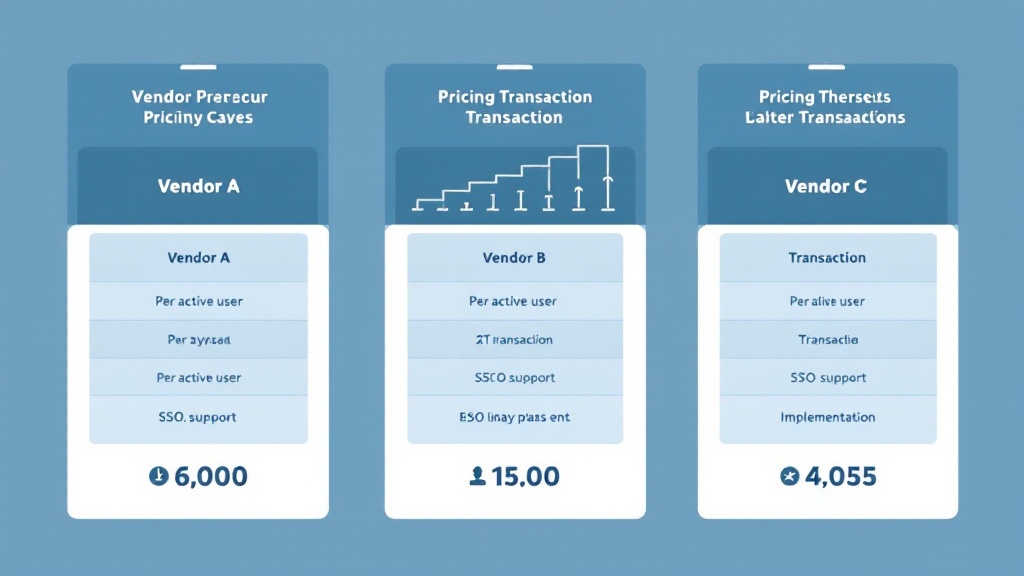
Unit mismatch is the loudest culprit in saas-costs. “Per user” might mean named, active, or provisioned; storage might be per GB-month vs per TB-year; support might be a percent of subscription or a fixed fee. Normalizing costs starts by converting everything to consistent bases (per month, per year, per 1,000 events) and recording the exact unit definition pulled from each proposal. Without that, the model can’t survive a finance review.
Next come tiering tricks and hidden add-ons. Tiered pricing can shift the marginal cost dramatically once you cross a threshold, while bundles hide what’s included (SSO, audit logs, sandbox, security features) until an “enterprise” upgrade. Watch for minimum commits, step-up renewals, implementation fees, “included” usage caps, and overage schedules. A practical approach is to model at least two usage scenarios (expected vs high-growth), then compute 1-, 3-, and 5-year TCO with sensitivities. Pair those numbers with the contract terms that govern charges, so pricing-analysis and legal risk stay connected.
3) A normalization framework stakeholders can sign off on (with an audit trail)
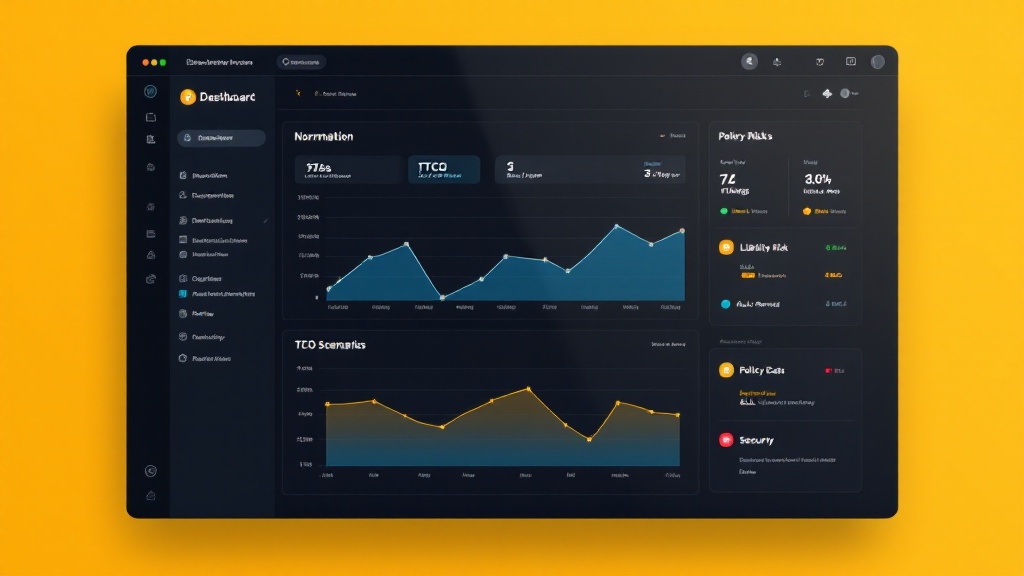
To make vendor-management decisions defensible, treat TCO as a governed workflow, not a one-off spreadsheet. Start by structuring documents into comparable objects: line items, rate cards, and clause fields with citations back to the source page/section. Then define a normalization map: standard units, standard terms (monthly/annual), and explicit rules for tiers, proration, ramp schedules, discounts, and renewal uplifts. Every conversion should be explainable in one sentence.
Finally, connect cost to policy. Build checks for termination, auto-renewal, liability caps, SLA credits, and security requirements—then flag threshold breaches alongside the normalized totals. Tools like QuoteClause Compass operationalize this by ingesting proposals and agreements, extracting pricing and key terms, and producing auditable side-by-side TCO scenarios. The output that wins approvals is a short brief: assumptions, scenarios, exceptions, and cited clauses—so procurement can move faster while finance and legal can sign off with confidence.